My first time using JejuPass for a full trip wasn’t part of a meticulously planned itinerary; it was actually a spontaneous family getaway.
Our goal for the Jeju trip was simple: to take the kids and our pet out for a few days of relaxation without feeling constrained by a rigid schedule. It was in this relaxed mindset that I began to realize JejuPass isn’t just a “car rental tool.” Instead, it functions more like an integrated system that reshapes the rhythm of travel—seamlessly connecting movement, stops, and rest.
Family & Pet Travel: Shifting from “Route Planning” to “Caring for Well-being”
We decided to drive ourselves from the start, primarily for practical reasons: relying on public transport with children and pets often leads to constant interruptions in the flow of the journey.
The pet-friendly details were evident right from the moment we picked up the car. The interior had been cleaned beforehand—there were no unpleasant odors—and the back seat offered ample space for a pet mat and our carry-on bags. During the handover, the staff briefly explained the guidelines for traveling with pets (such as mat requirements or restrictions regarding the front seat); while simple, this communication provided great peace of mind.
The real difference became apparent once we hit the road.
The kids could rest or snack in the back seat without the hassle of constantly getting in and out of the car. Although our pet was a bit unsettled at first, it quickly calmed down after we’d been driving for a while, eventually even lying down to sleep in the back. Luggage and pet supplies stayed secured in the vehicle, so we didn’t have to reorganize everything at every stop.
Most importantly, the entire itinerary revolved around our “state of being” rather than strict “time slots.” We stopped when we were tired, rested when we felt sleepy, and adjusted our route on the fly whenever we spotted a nice location.
This shift in travel style was more profound than I had imagined—it transformed the journey from a mere “rush to get somewhere” into a time for “quality companionship.”
The Cafe Pass: Turning Stops from “Spontaneous Decisions” into “Natural Occurrences”
The Cafe Pass was another key element of the experience. The rules are straightforward—options include billing by the day or by the number of cups, with validity periods of 3 or 5 days, and packages covering 3 or 5 cups of coffee. Yet, what truly transformed the experience wasn’t the price, but the psychological shift associated with the very act of pausing.
During our actual itinerary on Jeju Island, coffee ceased to be something we had to “make time for”; instead, it became a natural part of the journey.
For instance, while driving along the coastal road, we frequently spotted seaside cafés. On several occasions, we simply made spontaneous detours to stop at them. Stepping inside, we were greeted by the aroma of roasting coffee beans; the spaces typically featured floor-to-ceiling windows that bathed the interior in soft light and offered direct views of the sea.
We generally ordered standard coffees or lattes, accompanied by simple bread or a baked treat. There were no complicated choices to make and no pressure regarding time. Our child would play nearby, while our pet lay quietly at our feet, occasionally glancing outside.
Once, we lingered for quite a while at a small café situated right by a rocky stretch of coastline where waves crashed against the shore. It didn’t feel like “checking a café off a list”; rather, it was a moment of quiet downtime that emerged naturally as the pace of our trip slowed.
The significance of the pass was subtle yet profound: it removed the mental burden of deciding to stop at any moment.
Coffee, Bread, and Coastline: Shifting from “Attraction-Driven” to “Pause-Driven” Travel
At this pace, the very structure of the trip underwent a change.
In the past, itineraries were usually planned around specific tourist attractions—one in the morning, another in the afternoon, with meals interspersed. This time, however, the trip was structured around “stopping points.”
A stretch of coastal road was no longer merely a route connecting two locations; it became a collection of natural places to pause. A stop might be a café, an observation deck with a sea view, or even just a roadside area where the child and pet could take a quick break.
The value of the JejuPass café pass lay not in making coffee cheaper, but in making the act of stopping feel natural and justified. It transformed the pause from a spur-of-the-moment decision into an integral part of the itinerary’s structure.
The Significance of the Rules: Not Restrictions, but a Way to Stabilize the Rhythm
At first glance, the usage rules for the JejuPass café pass—such as validity periods, account exclusivity, a network of partner shops, and required time intervals between uses—might seem like a standard system. In practice, however, these rules didn’t feel restrictive; instead, they served to pace the experience.
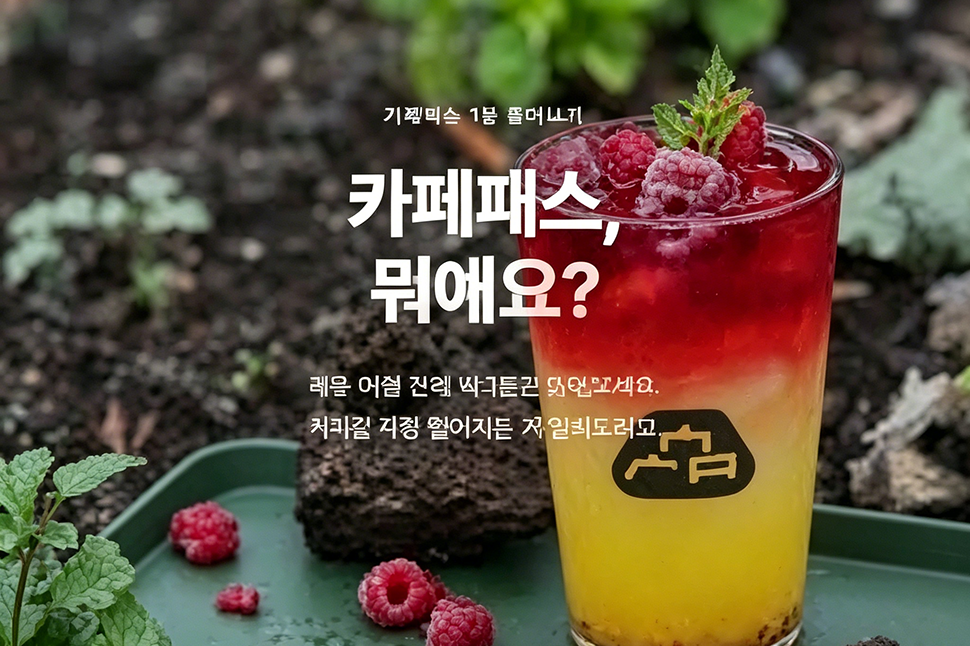
They prevented the wastefulness of consuming everything at once and avoided the chaotic pacing that comes with haphazard usage, allowing the coffee experience to be spread naturally across the various stages of the trip.
From an experiential standpoint, it was less about “limiting behavior” and more about “designing a rhythm.”
From Movement to Pausing: Reconfiguring the Structure of Travel
After returning from this trip to Jeju Island, my understanding of the entire experience became clearer.
JejuPass didn’t offer just a single function but a composite experience: car rental provided freedom of movement, the pet-friendly policy reduced travel constraints, and the café pass turned “pausing” into a natural part of the journey.
Combined, these elements transformed the trip from a mere exercise in route planning into a matter of pacing.
The boundary between movement and pausing blurred; travel ceased to be a series of tasks to be checked off and instead became a fluid, natural way of living within a region.
Travel Truly Becomes Relaxing When You Can Pause
Looking back at this family trip, what truly transformed the experience wasn’t the number of places we visited, but the absence of pressure to “rush” from one spot to another.
We could stop the car whenever we liked, enjoy a coffee at our leisure, and allow both the children and pets to move and rest at a steady, comfortable pace. It is only when pausing becomes natural that travel truly becomes relaxing.