When I first planned my trip to Florence, I thought it would be an easy city to explore.
Looking at the map, Florence seems surprisingly compact. Many famous attractions appear to be within walking distance of each other — the Duomo, Uffizi Gallery, Ponte Vecchio, and Piazza della Signoria all seem close enough to visit in a short amount of time.
However, after actually spending time in Florence, I realized that this city is not somewhere you should simply rush through.
The most memorable parts of Florence are not only its famous landmarks but also the moments between them — discovering a quiet street while walking without a plan, finding a small café hidden away from the crowds, watching the sunset along the Arno River, or simply slowing down and enjoying the atmosphere of the Renaissance city.
During my visit, I learned that planning is important, but leaving enough space to explore naturally is equally valuable.
Florence rewards travelers who take their time.
If you are visiting Florence for the first time, this guide will share the travel experience and practical advice I gathered during my journey, including how many days you should stay, how to arrange your itinerary, and the small details that can make your trip much more enjoyable.
How Many Days Do You Need in Florence?
This is one of the first questions most travelers face when planning a Florence trip.
My recommendation depends on what kind of experience you want.
1 Day: Suitable as a Short Stop on an Italy Trip
If Florence is only one stop on a larger Italy itinerary including Rome, Venice, or Milan, one day is enough to experience the city’s highlights.
However, the schedule will be quite full.
For a short visit, I would prioritize:
- Florence Cathedral (Duomo);
- Piazza della Signoria;
- Ponte Vecchio;
- Uffizi Gallery.
From my experience, the biggest disadvantage of a one-day visit is that you only see Florence’s most obvious side.
The city’s real charm often appears when you slow down and explore beyond the main attractions.
2–3 Days: The Best Choice for First-Time Visitors
For most first-time travelers, I believe 2 to 3 days is the ideal amount of time.
This allows you to visit the major landmarks while still having enough time to experience the city’s atmosphere.
You can include:
- Renaissance landmarks;
- Important museums;
- Traditional markets;
- Local restaurants;
- Evening walks along the river.
This is the balance I would recommend to most visitors.
4+ Days: Perfect for a Slower Experience
If you have more time, Florence becomes even more enjoyable.
You can:
- Explore small cafés;
- Visit artisan workshops;
- Take a day trip through Tuscany;
- Spend more time inside museums.
Unlike some cities where you constantly move from one attraction to another, Florence is a place where simply walking around can become part of the experience.
My Recommended Florence Itinerary
Day 1: Discover the Heart of Renaissance Florence
When I first arrived in Florence, I did not want to immediately fill my schedule with too many attractions.
The first day should be about understanding the city’s character.
Morning: Florence Cathedral
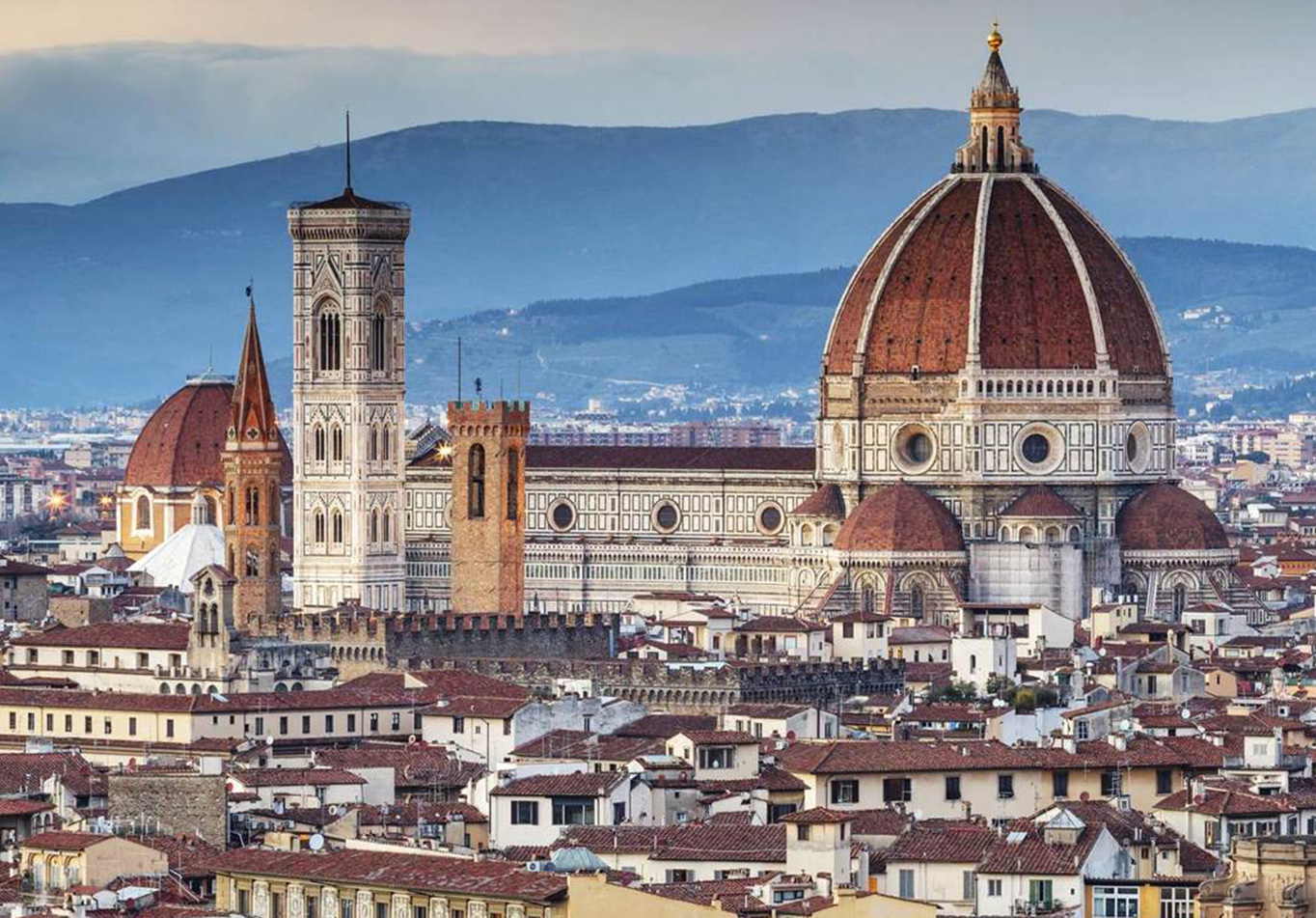
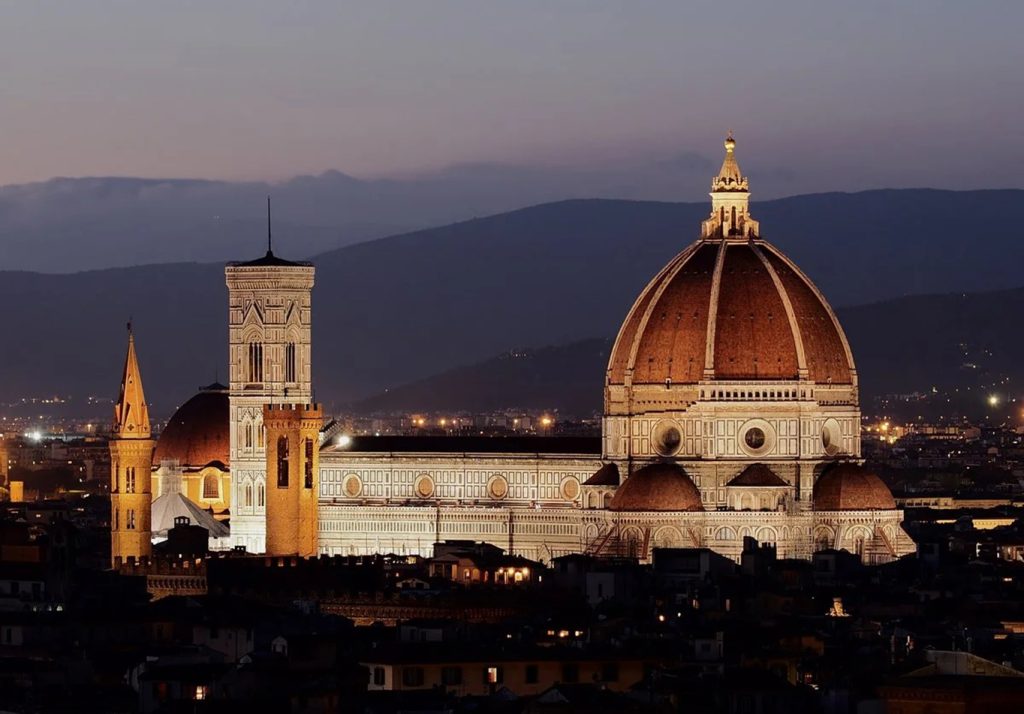
Florence Cathedral is one of the first places almost every visitor wants to see.
My biggest suggestion is to arrive early.
When I visited in the morning, the atmosphere was completely different compared with the afternoon. The square was quieter, and I could actually appreciate the details of the architecture without constantly moving through large crowds.
If you plan to enter the cathedral complex, booking tickets in advance is highly recommended because popular time slots can fill quickly.
Afternoon: Piazza della Signoria and Uffizi Gallery
After visiting the Duomo, walking toward Piazza della Signoria is an easy and enjoyable route.
The square is not only a great photo spot but also one of the best places to understand Florence’s historical importance.
After that, I recommend visiting:
Uffizi Gallery
Before my visit, I underestimated how much time I would need there.
I originally thought a short visit would be enough, but once inside, I realized that truly appreciating the artwork requires patience.
My advice is:
Do not visit just to “complete a checklist.”
Florence is a city where taking time to appreciate details creates a much better experience.
Evening: Ponte Vecchio
At the end of your first day, I highly recommend visiting:
Ponte Vecchio
The atmosphere here changes completely in the evening.
As the crowds become smaller and the sunlight becomes softer, the bridge and the Arno River create one of the most beautiful scenes in Florence.
For me, this was one of the moments when the city felt truly romantic.
Day 2: Art, History, and Local Life
The second day is a good time to explore Florence more deeply.
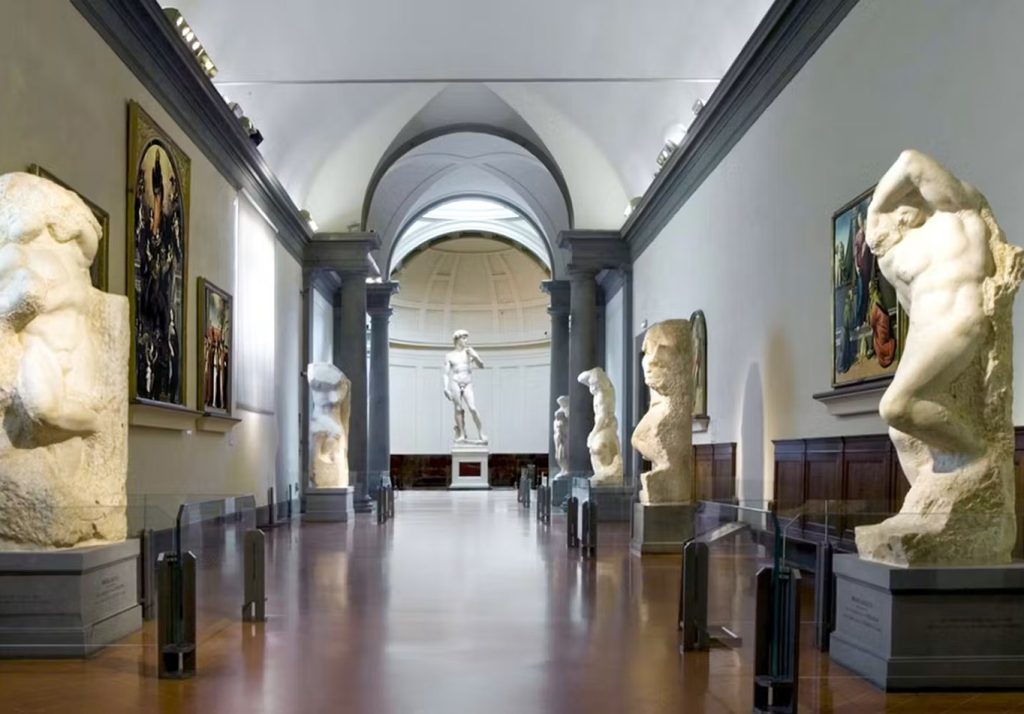
Morning: Accademia Gallery
Accademia Gallery
The gallery is best known for Michelangelo’s David.
Even if you are not an art expert, I recommend learning a little about the artwork before visiting.
My experience showed me that understanding the background of what you are seeing completely changes the way you appreciate it.
Instead of simply looking at a famous sculpture, you begin to understand why it became such an important part of history.
Afternoon: Palazzo Pitti and Boboli Garden
Pitti Palace
Boboli Gardens
Compared with the busy historic center, this area offers a much slower rhythm.
After spending hours inside museums and crowded streets, walking through the gardens provides a chance to relax.
I found this part of Florence especially enjoyable because it allowed me to experience the city at a calmer pace.
Evening: Explore Oltrarno
Oltrarno
This is one of the areas I recommend most for travelers who want to experience a more authentic side of Florence.
Compared with the main tourist streets, Oltrarno feels more local.
You can find:
- Small restaurants;
- Artisan workshops;
- Quiet streets;
- Traditional shops.
Looking back, some of my favorite memories were not from famous landmarks but from simply walking through this neighborhood without a strict plan.
Day 3: Experience a Slower Florence
If you have a third day, I do not recommend filling it with more attractions.
Florence is one of those cities where having an unplanned day can become the most memorable part of the trip.
Start with a Local Coffee Experience
Spend a relaxed morning at a café.
Do not immediately rush toward the next attraction.
One of the best ways to experience Florence is to slow down and observe how the city begins its day.
Walk Through the Streets Without a Fixed Route
Many beautiful moments in Florence are not found on typical sightseeing lists.
Small streets, old buildings, local stores, and hidden corners often become the places you remember most.
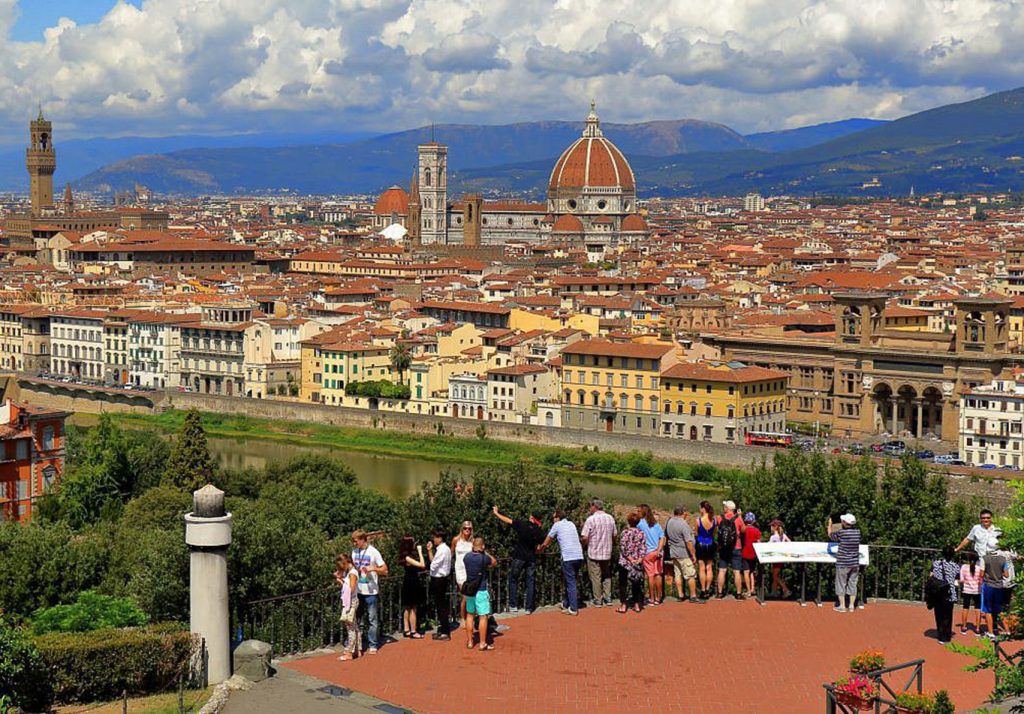
Visit Piazzale Michelangelo at Sunset
Piazzale Michelangelo
For one of the best views of Florence, this viewpoint is almost impossible to miss.
I recommend visiting before sunset.
Standing there and looking over the entire city was one of the moments when I truly understood why so many travelers fall in love with Florence.
Practical Tips for Visiting Florence
1. Walking Is the Best Way to Explore Florence
One of Florence’s greatest advantages is that it is a very walkable city.
Many attractions are close together.
However, this also means you may walk much more than expected.
My suggestions:
- Wear comfortable shoes;
- Be prepared for uneven stone streets;
- Avoid planning too many attractions in one day.
2. Reserve Popular Attractions in Advance
These attractions usually require advance planning:
- Uffizi Gallery;
- Accademia Gallery;
- Certain areas of Florence Cathedral.
Buying tickets at the last minute may result in long waiting times.
3. Avoid Long Outdoor Activities During Summer Afternoons
Florence can become extremely hot during summer.
Based on my experience, the most comfortable schedule is:
- Sightseeing in the morning;
- Indoor activities or rest during the afternoon;
- Exploring again in the evening.
This makes the entire trip much more enjoyable.
4. Do Not Only Follow the Tourist Route
This is probably the most important lesson I learned from Florence.
The city’s famous landmarks are absolutely worth visiting, but if your entire trip is only:
Attraction → Photo → Leave
you may miss what makes Florence special.
Leave some time for:
- Small streets;
- Cafés;
- Local restaurants;
- Unplanned walks.
Local Experiences Worth Trying in Florence
Beyond art and history, Florence offers many simple experiences that make the journey memorable.
Some of my favorites include:
- Drinking an Italian coffee in the morning;
- Enjoying gelato during an afternoon walk;
- Watching the sunset beside the Arno River;
- Having a slow dinner at a traditional restaurant.
These experiences may not always appear on the first page of travel recommendations, but they often become the memories you remember most.
Final Thoughts
Looking back at my Florence trip, what stayed with me was not only the impressive architecture of the Duomo or the masterpieces inside museums.
It was also the quieter moments:
The streets before the crowds arrived in the morning, the warm evening light along the river, and the small discoveries made while walking through unfamiliar neighborhoods.
Florence is not a city that should be rushed.
Planning helps you experience the highlights, but leaving room for unexpected moments allows the city to reveal its true character.
After exploring Florence’s streets and landmarks, the next part of the journey is discovering another important side of the city — its food, coffee culture, and local flavors hidden throughout its neighborhoods.