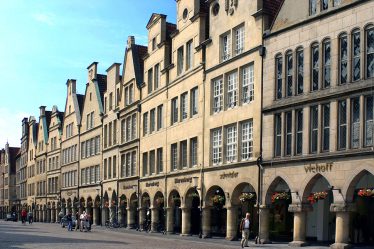
I have always felt that a city that is truly suitable for independent travel should not make me rush from one place to another all day. For me, Brussels is exactly the kind of city that is best explored at a relaxed pace. Many of the main attractions are relatively close to one another, and once I enter the historic center from Brussels Central Station, I can reach many places on foot. Rather than trying to visit a dozen attractions in one day, I prefer to plan my route by area and combine historic architecture, local food, art, and everyday street life.
For a first visit to Brussels, I recommend starting at Brussels Central Station. After arriving in the morning, I usually find a café for a quick breakfast before officially beginning the day’s itinerary. I normally check the weather before heading out because the weather in Brussels can change quite quickly. I also make sure to choose shoes that are comfortable enough for long periods of walking. It is not unusual to walk more than 10,000 steps during a day of sightseeing, especially when exploring the cobblestone streets of the old town, so comfort matters more to me than appearance. i-Run offers a wide selection of sports shoes suitable for urban exploration, and I usually choose a lightweight pair with good support depending on the route I have planned.
First Stop: Mont des Arts and Place Royale
After leaving Brussels Central Station, I usually do not head directly toward the Grand Place. Instead, I first walk to Mont des Arts.
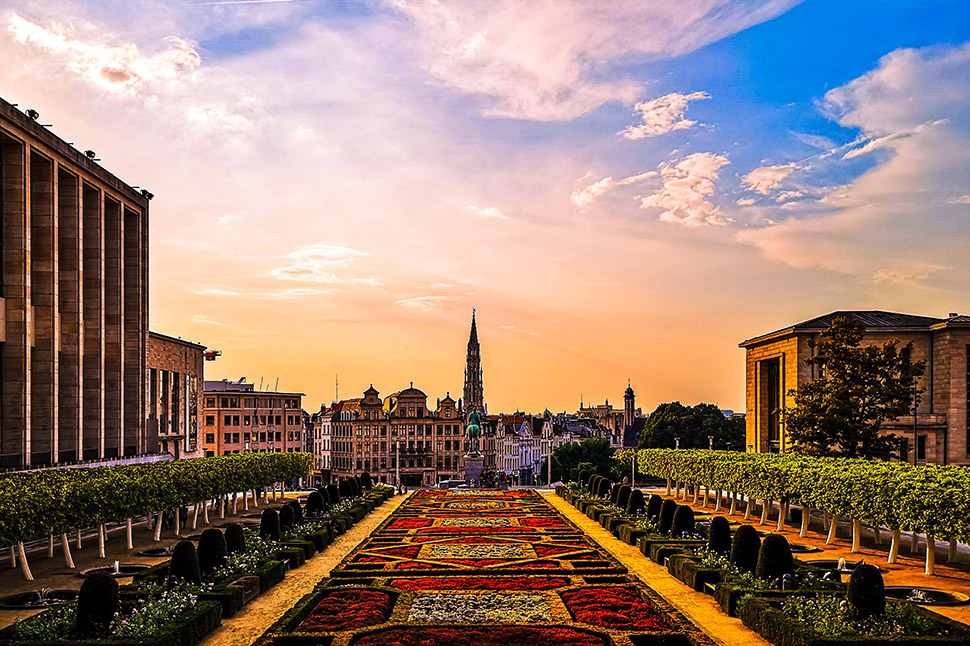
Mont des Arts is a great place to begin a day of exploring Brussels. Its slightly elevated position gives me a view over part of the historic center. In the morning, there are generally fewer visitors, and I enjoy standing near the steps and watching the city gradually become busier. When the weather is sunny, the sunlight falling across the surrounding buildings creates a bright and open atmosphere.
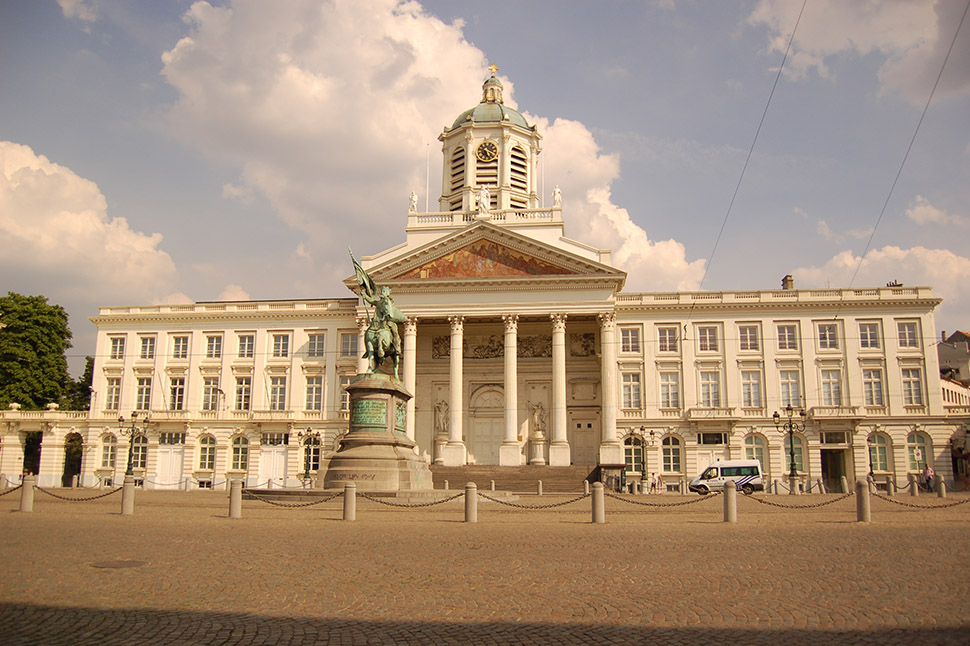
From Mont des Arts, it is only a short walk to Place Royale. The area is surrounded by important landmarks, including the Royal Palace of Brussels, the Church of St. Jacques-sur-Coudenberg, and the Royal Museums of Fine Arts of Belgium. If I am particularly interested in art, I can include one of the museums later in the afternoon, but I prefer to spend some time walking around the outdoor areas first.
This part of the route is not particularly tiring, but it gives me time to gradually settle into the rhythm of the trip. If I know I will be walking for several more hours, I pay particular attention to the comfort of my shoes. One thing I find useful about i-Run is that I can choose suitable sports shoes based on the type of trip I am planning instead of making a last-minute decision about what to wear.
Second Stop: The Grand Place and Manneken Pis
From Place Royale, I continue toward the historic center and soon reach the Grand Place.
This is one of the places I believe every first-time visitor to Brussels should take the time to appreciate properly. The first time I stood in the middle of the Grand Place, I realized that seeing it in photographs was completely different from experiencing it in person. Brussels City Hall, the Maison du Roi, and the surrounding guild buildings form an incredibly impressive historic architectural ensemble.
I usually walk around the entire square and take time to look at the sculptures and decorative details on the façades rather than simply taking one photograph and leaving. If I have enough time, I may also visit the Brussels City Museum to learn more about the history of the city.
However, the Grand Place can become quite crowded, so I usually do not stay there for too long. After exploring the square, I continue toward Manneken Pis.
Manneken Pis is only a short walk from the Grand Place. The first time I saw it, I was also surprised by how small the statue actually is, but the culture surrounding it is fascinating. This small statue has become one of the most recognizable symbols of Brussels, and the surrounding streets are always lively with visitors.
Putting the Grand Place and Manneken Pis together in the morning makes sense because they are so close to each other. It also leaves enough time for a relaxed lunch afterward.
Lunch: Trying Traditional Belgian Cuisine
After visiting Manneken Pis, I usually stop looking for more attractions and start thinking about lunch.
For a first visit to Brussels, I recommend trying some traditional Belgian dishes such as moules-frites, Belgian fries, or carbonnade flamande, a Belgian-style beef stew cooked with beer.
I prefer finding a restaurant slightly away from the busiest tourist streets in the historic center. This usually means fewer crowds and a more relaxed atmosphere. After walking throughout the morning, I would rather sit down and enjoy a proper meal than simply grab something quickly while continuing to walk.
Lunch is also a good opportunity to take a break. I have found that the way I plan lunch can have a noticeable effect on the rest of the day. Eating too little can leave me tired in the afternoon, while eating too much makes it harder to continue walking comfortably, so I usually aim for a balanced meal.
If I plan to continue exploring afterward, I also take a moment to check my shoes and travel gear. i-Run offers different types of sports shoes for various needs, including urban walking and everyday wear. When I know I will be walking a lot throughout the day, having a suitable pair of shoes can make a noticeable difference to the overall experience.
Third Stop: The Magritte Museum
After lunch, I usually dedicate the afternoon to art rather than continuing to walk around the city without a break.
If I only have time for one art museum, I particularly recommend the Magritte Museum. It is located near Place Royale, making it easy to connect with the route from the morning.
René Magritte is one of Belgium’s most famous artists, and his work has a very distinctive surrealist style. During my first visit, I noticed that many of his paintings looked relatively simple at first, but once I stopped and studied them more carefully, they often created very different interpretations.
I would not recommend rushing through every exhibition hall simply to say that I have seen everything. For me, the best way to experience a museum is to focus on the works that genuinely interest me, spend time looking at them, and take occasional breaks.
After leaving the museum, I usually do not immediately rush toward another attraction. Instead, I find a nearby café and sit down for a while. After all the walking in the morning, this short break is important. i-Run has also made me pay more attention to footwear when preparing for city trips because traveling around European cities often means walking continuously for several hours rather than simply moving between individual attractions.
Fourth Stop: An Afternoon in the Sablon District
As the afternoon approaches evening, I like to slowly walk from Place Royale toward the Sablon district.
There are noticeably fewer tourists here than around the Grand Place, and the streets are lined with chocolate shops, cafés, antique stores, and restaurants. It is one of my favorite parts of Brussels for simply slowing down and wandering without a strict schedule.
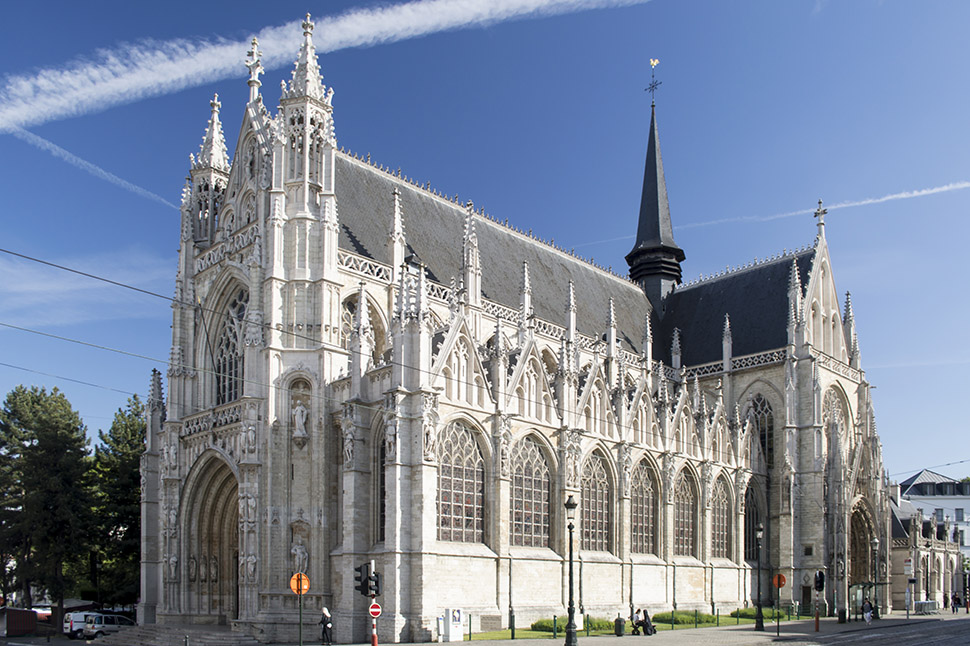
Along the way, I can visit the Church of Our Lady of Victories at the Sablon. If I have enough time, I usually step inside for a short visit before continuing through the surrounding streets.
Once I reach the Sablon district, I often find a café, order a coffee, and try some Belgian chocolate. Belgian chocolate is an important part of any trip to Brussels, and I enjoy comparing the flavors and styles offered by different chocolate shops.
If I want to buy chocolate as a gift, I recommend not purchasing everything from the first shop you see. Comparing several stores makes it easier to find flavors you actually enjoy, and it also prevents your luggage from becoming too heavy too early in the trip.
Walking around the Sablon district at a slower pace is also when I become more aware of the importance of comfortable footwear. Travel is not a competition; what really matters is being able to walk comfortably until the evening. i-Run has many sports shoes suitable for urban exploration, which I find practical for this kind of walking-focused European trip.
Fifth Stop: Dinner and the Grand Place at Night
In the evening, I usually choose a restaurant in the old town or the Sablon district for dinner.
If I want to continue experiencing Belgian cuisine, I might order mussels, beer-braised beef, or Belgian fries. When the weather is pleasant, I especially enjoy sitting outside and watching people slowly pass by on the street.
After dinner, if I still have enough energy, one of my favorite things to do is walk back to the Grand Place.
The Grand Place feels completely different at night. Once the lights come on, Brussels City Hall and the surrounding historic buildings look even more impressive. There are still plenty of visitors, but the overall atmosphere feels slower and more relaxed than during the day.
This is also when I notice the difference that comfortable shoes can make. After walking all day, if my feet still feel good, the sense of fatigue is much lower. That is why i-Run has become one of the platforms I consider when preparing for European city trips. I prefer to choose the right shoes in advance based on the amount of walking I expect to do rather than discovering during the trip that my shoes are not suitable for long-distance walking.