Rome has always been one of the cities I wanted to visit the most.
Unlike many European destinations, Rome is not a city that should be explored by simply checking off a list of famous landmarks. Its charm is hidden in small details: a local café on a quiet street, centuries-old walls covered with history, evening walks through lively neighborhoods, and the everyday rhythm of Roman life.
When I visited Rome for the first time, I originally planned to create a very packed itinerary and see as many attractions as possible within three days. However, after actually exploring the city, I realized that rushing from one place to another would mean missing the atmosphere that makes Rome special.
So I adjusted my pace.
I planned important attractions in the morning, left time for walking in the afternoon, and spent my evenings discovering restaurants and small bars in different neighborhoods.
If it is your first time visiting Rome, three days is actually a very comfortable amount of time.
This travel diary shares my three-day route and some practical tips based on my experience, hoping to help you plan a smoother Rome trip.
Day 1: Classic Rome Walk — From Ancient Streets to Evening Trastevere
On my first day in Rome, I decided not to create an overly complicated schedule.
After considering the long journey and the need to adjust to the city, I chose a walking route that covers some of Rome’s most iconic locations:Piazza Venezia → Trevi Fountain → Pantheon → Piazza Navona → Trastevere
The biggest advantage of this route is that most places are within walking distance, allowing you to experience Rome at a slower and more enjoyable pace.
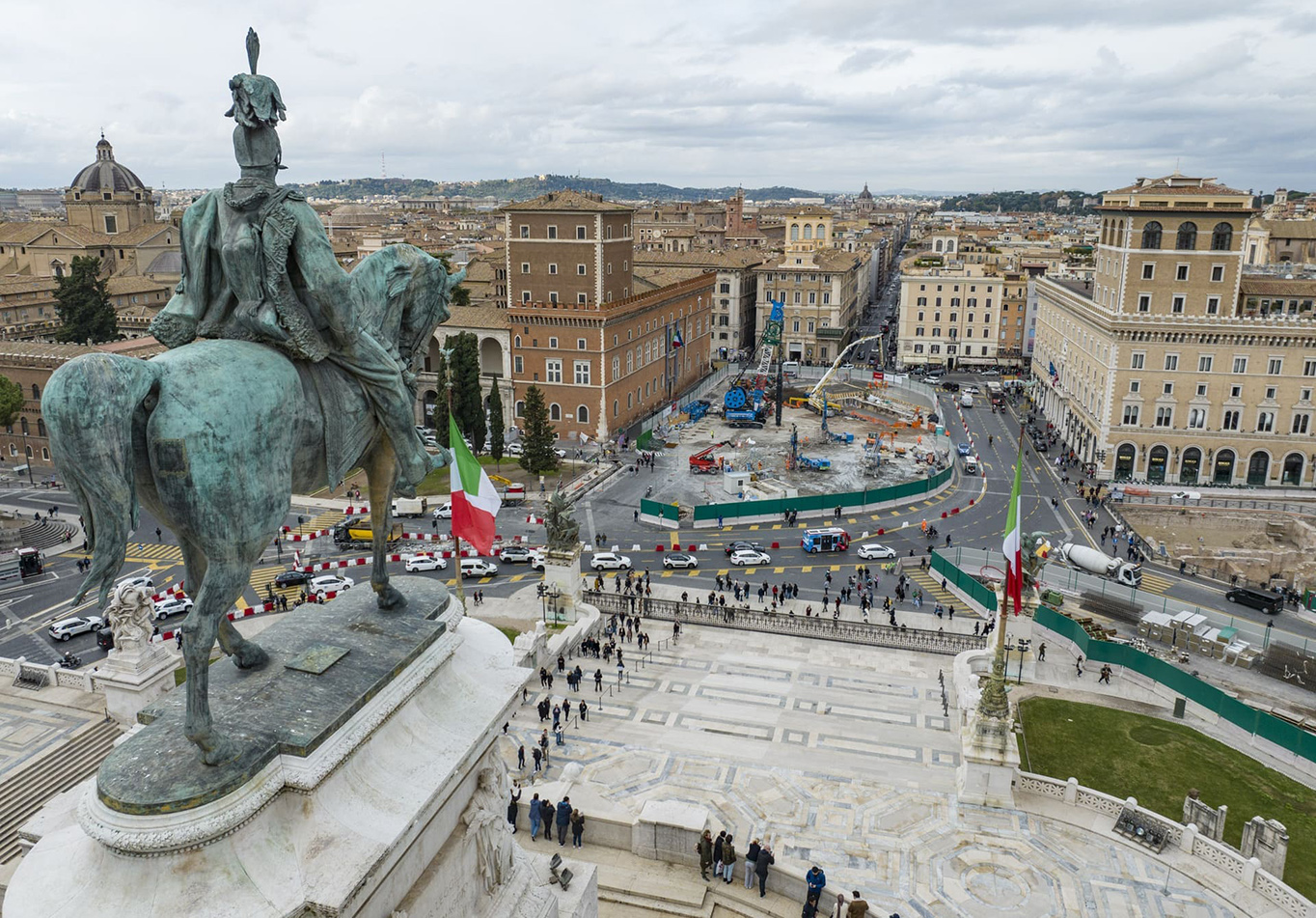
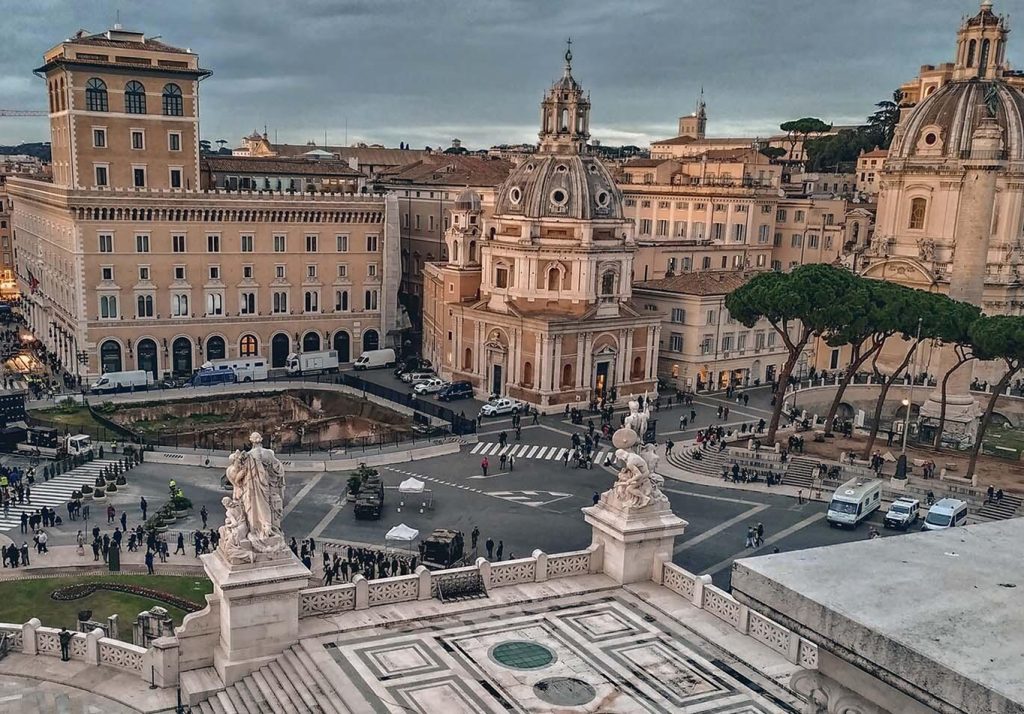
My first stop was Piazza Venezia.
For me, it was the perfect introduction to Rome. The huge white monument, busy streets, and surrounding historic buildings immediately showed the unique contrast between ancient history and modern city life.
After that, I walked toward the Trevi Fountain.
This is one of the most famous spots in Rome, so arriving early is definitely worthwhile. If you visit before around 9 a.m., the crowd is usually much smaller, making it easier to enjoy the atmosphere and take better photos.
Standing in front of the fountain, what impressed me most was not just its beauty, but its sense of time. People from all over the world gather here every day, while the fountain itself has remained part of Rome’s landscape for centuries.
From there, I continued to the Pantheon.
Compared with some larger attractions, I personally found the Pantheon more impressive because of its atmosphere. The exterior looks relatively simple, but once you step inside, the enormous dome structure and natural light create a completely different feeling.
In the afternoon, I visited Piazza Navona.
This is one of the best places to slow down during a Rome itinerary. There are many cafés around the square where you can sit with a coffee, watch street performers, and simply enjoy the rhythm of the city.
For the evening, I chose Trastevere as my final stop.
The atmosphere here feels completely different from the historic landmarks during the day.
Narrow cobblestone streets, small restaurants, and balconies covered with plants create a much more local and relaxed side of Rome.
If it is your first visit, I highly recommend spending at least one evening walking around this neighborhood.
Day 2: Ancient Rome Experience — Colosseum and Roman History
The second day was the part of the trip I was looking forward to the most.
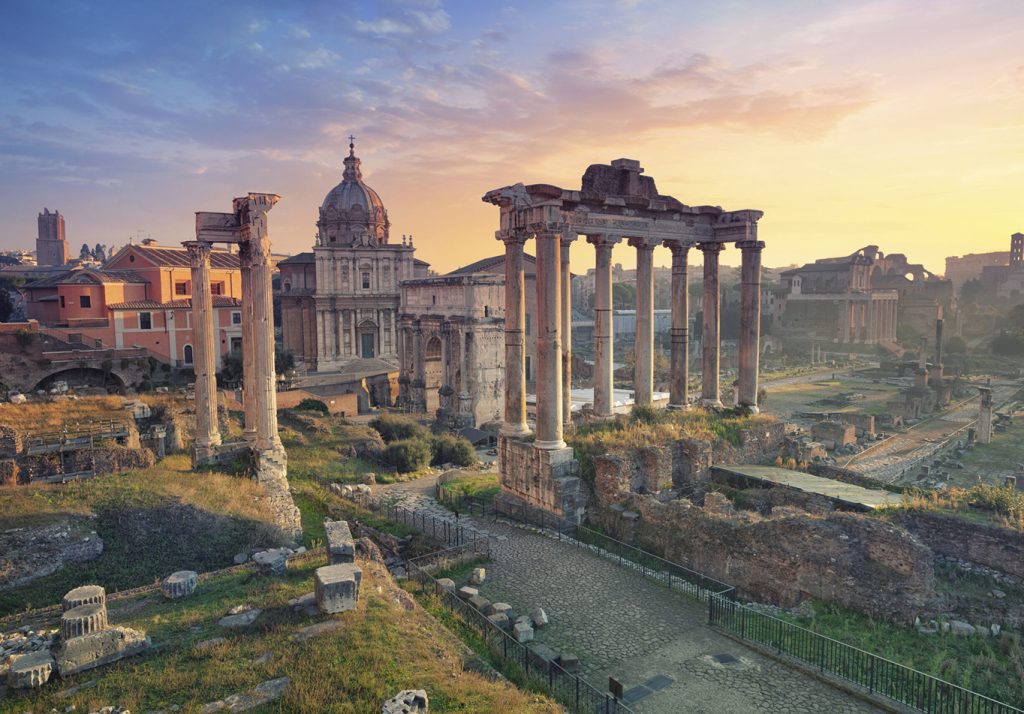
This was the day to explore some of Rome’s greatest symbols: the Colosseum and the Roman Forum.
One important tip:Book your tickets in advance.
Especially during busy travel seasons, buying tickets on the same day can mean long waiting times and may affect your entire schedule.
I visited the Colosseum in the morning.
The early hours provide better light for photos, and the weather is usually more comfortable compared with the afternoon.
Seeing the Colosseum in person felt very different from seeing it in pictures. The most impressive thing was realizing that this was not simply an old building, but a massive reminder of a civilization that existed thousands of years ago.
After exploring the Colosseum, I continued into the Roman Forum.
The area is large, and if you want to understand the history better, it helps to learn some basic background information before visiting. Otherwise, it can feel like you are simply looking at ruins without knowing their stories.
My advice is:Do not rush through the entire area.
Spending more time at a few important locations usually creates a better experience than quickly walking through everything.
In the afternoon, I visited the Monti neighborhood, which is located close to the Colosseum but has a completely different atmosphere.
Compared with the crowded tourist areas, Monti offers more independent cafés, vintage shops, and local everyday life.
One thing I loved about this part of the trip was the contrast:In the morning, I was walking through ancient Rome, then the afternoon, I was sitting in a modern neighborhood café watching local life continue around me.
This mixture of old and new is one of the reasons Rome feels so unique.
Day 3: Vatican, Art and a Slower Side of Rome
For my final day, I focused more on art, culture, and enjoying the city at a slower pace.
The route was:Vatican Museums → St. Peter’s Basilica → Spanish Steps
The Vatican Museums were my first stop.If you plan to visit, booking ahead is strongly recommended.
The museums contain an incredible amount of artwork, and you could easily spend half a day or even longer exploring them. However, for most travelers, it is not necessary to see every single room.Choosing a few highlights in advance makes the experience much more enjoyable.
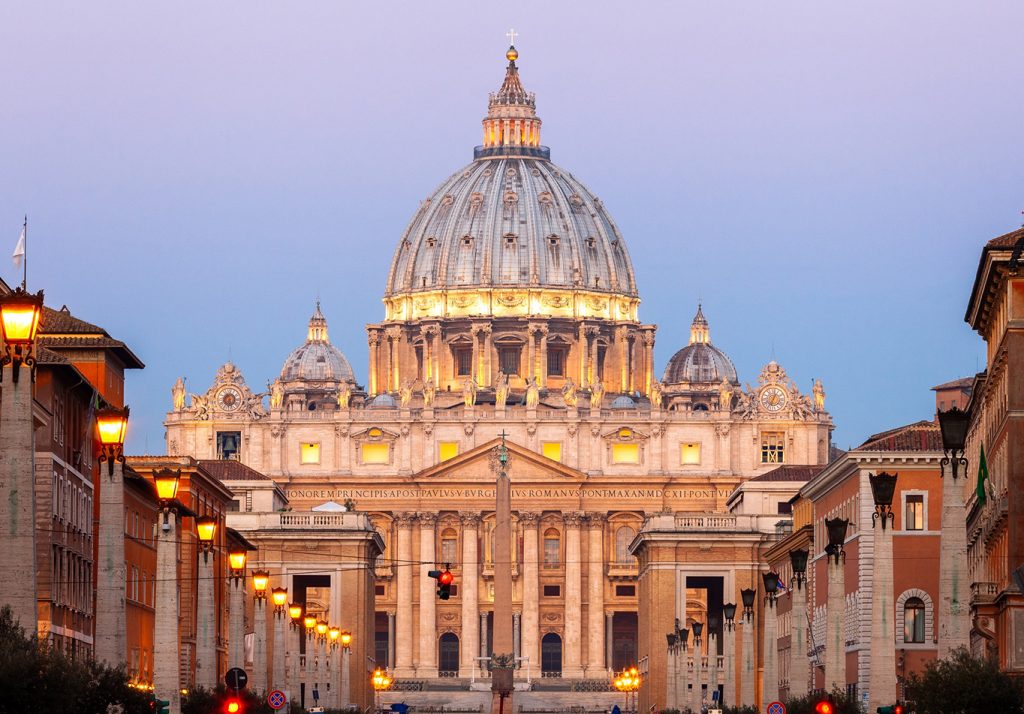
St. Peter’s Basilica gave me another unforgettable impression.
The scale of the building is enormous, but despite its size, the interior does not feel cold. Instead, the incredible details, artwork, and architecture create a sense of beauty and calm.
In the afternoon, I visited the Spanish Steps.
Compared with the historical exploration of the previous days, this was a more relaxing way to end the trip.
The surrounding streets are filled with shops, cafés, and small alleys that are perfect for a slow walk.
One thing I learned from traveling in Rome is that the best moments are often not inside the most famous attractions.
Sometimes they happen when you discover a small shop, notice a beautiful window, or simply sit outside with a cup of coffee.
Practical Tips for a First Rome Trip
Wear Comfortable Shoes
Rome is a city made for walking.
However, many areas have uneven cobblestone streets, so comfortable shoes are much more important than fashionable but uncomfortable ones.
A reliable pair of sneakers will make your trip much easier.
Use Public Transportation Wisel
Rome’s metro system is not as extensive as some other European cities, but combining public transportation with walking is enough for most tourist routes.
In many cases, walking is actually the best way to discover hidden corners of the city.
Avoid Overplanning
During a first visit to Rome, it is easy to create an unrealistic schedule and try to fit every attraction into a few days.
But after experiencing the city myself, I found that planning two or three main areas per day creates a much better balance.
Rome is not a city that rewards rushing.
Try Local Food Away From Tourist Areas
Avoid choosing restaurants only because they are close to famous landmarks.
Walking a few streets away often leads to better local restaurants with more reasonable prices and a more authentic atmosphere.A simple plate of pasta and a glass of wine can sometimes represent Rome better than an expensive dining experience.
After three days, the biggest feeling I had when leaving Rome was this:
The city is not attractive only because of a few famous landmarks.
Its real charm comes from the way history, art, food, and everyday life exist together.
If this is your first European trip, Rome is absolutely worth making your starting point.
But do not just visit it.
Take some time to slow down, and you will truly understand why this city is called the “Eternal City.”