When I used to prepare for European trips, shoes were probably the thing I paid the least attention to. I would carefully plan my hotel, train tickets, attractions, and restaurants, but I often just packed whatever shoes were convenient. It was not until I traveled around Belgium for several days that I realized how much the right travel shoes can affect the entire experience. Brussels has plenty of cobblestone streets, Bruges is perfect for long walks along the canals, and Ghent is another city where exploring the historic center on foot is one of the best ways to experience it. If your shoes are uncomfortable, a relaxing trip can quickly turn into a constant search for somewhere to sit down and rest.
Now, when I plan a trip around Belgium, I consider my shoes together with my itinerary. If I know I will be sightseeing around a city all day, I usually check the selection on i-Run in advance and choose a pair based on the weather, expected walking distance, and activities planned for the day. For me, travel shoes do not have to be complicated. Lightweight construction, stability, and long-lasting comfort are much more important. i-Run offers different types of footwear, so I prefer to choose according to the actual route rather than simply picking a pair based on appearance.
Brussels: Starting a Full Day of Walking from the Central Station
If it is my first time visiting Belgium, I usually start in Brussels. After leaving Brussels Central Station in the morning, I head toward Mont des Arts, continue to Place Royale, then enter the historic center and eventually make my way to Grand Place.
The route does not look particularly long on a map, but city sightseeing is very different from an ordinary walk. Along the way, I often stop to take photos, enter shops, look at historic buildings, or find a café. As a result, the actual walking distance is usually much longer than the route shown on the map.
Mont des Arts is an excellent place to begin the day. In the morning, there are usually fewer visitors, and I like standing near the steps and watching Brussels slowly become busier. If I know I will be walking for several hours, I wear the sports shoes I selected from i-Run because there are still many historic streets to explore later in the day, and I want to save my energy for the entire route.
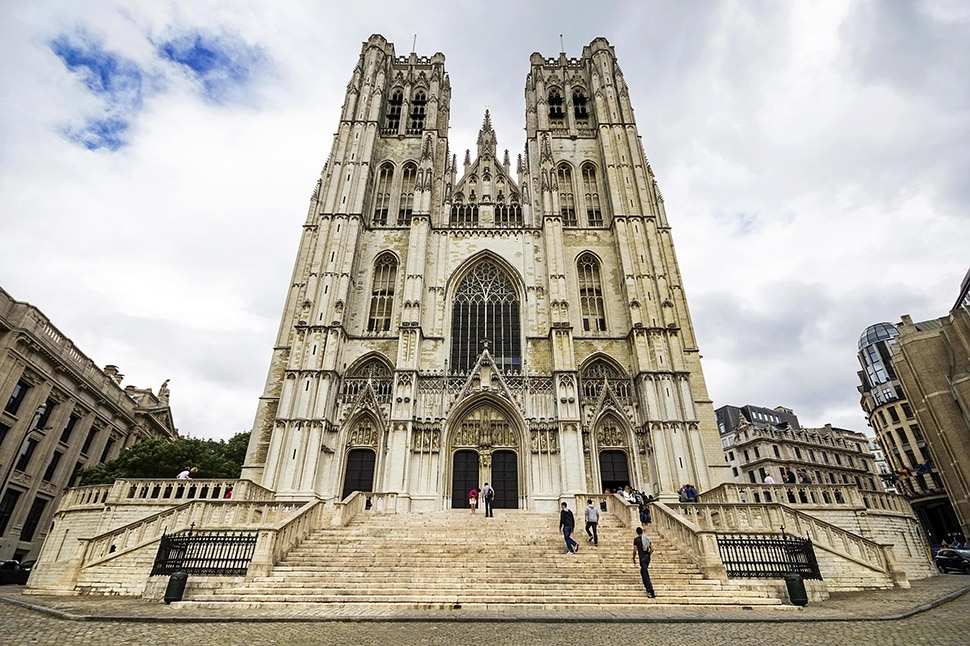
From Place Royale, I can continue toward the St. Michael and St. Gudula Cathedral before entering the historic center and reaching Grand Place. The cobblestone streets here left a particularly strong impression on me. During my first trip, I thought cobblestones were simply attractive for photographs. After walking across them continuously, however, I realized that they require much more support and comfort from a pair of shoes.
Now I pay much more attention to this detail. One thing I find convenient about i-Run is that I can look for shoes according to the type of activity I have planned. A pair that feels fine during the first hour may feel completely different after several hours of walking, especially if it is too stiff or heavy.
After Grand Place, I Try Not to Rush to the Next Attraction
Once I reach Grand Place, I usually walk around the square and take some time to look at Brussels Town Hall, Maison du Roi, and the surrounding guild buildings. After that, I continue toward Manneken Pis before finding somewhere to have lunch.
When my shoes are comfortable, I do not always follow the shortest route shown on the map. Sometimes I see an attractive little street and simply change direction. For me, this is one of the most enjoyable parts of exploring a European city.
That is also why I usually check i-Run when preparing for a trip around Brussels. Instead of choosing shoes that are only comfortable for short walks, I prefer a pair that can handle a full day of exploring. In many European historic centers, there is often no need to use public transportation between attractions. Walking can actually be a better way to discover small streets and interesting places that are not necessarily highlighted on a tourist map.
For lunch, I usually choose something typically Belgian, such as moules-frites or Carbonnade Flamande. After walking all morning, I do not want to finish lunch quickly and immediately move on. I prefer to sit down, enjoy the food, and give my feet a proper break. Lunch becomes an important part of my itinerary rather than simply a necessity between attractions.
Afternoon Route: Museums and Coffee Shops
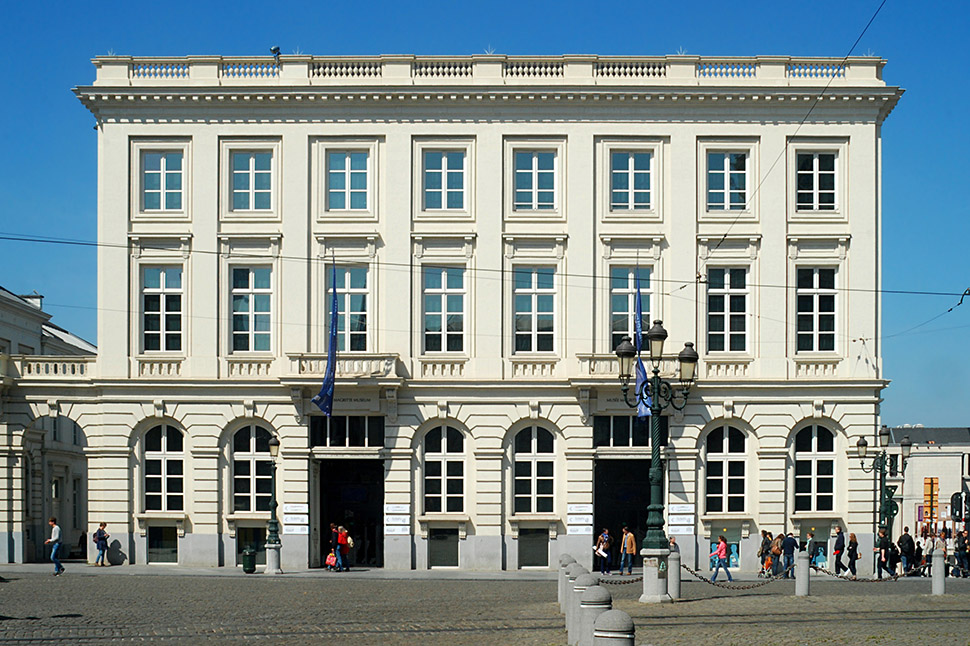
After lunch, I prefer to slow down and spend the afternoon in a museum. If I only have time for one art museum, I particularly enjoy the Magritte Museum.
René Magritte is one of Belgium’s best-known artists, and his work has a very distinctive surrealist style. When I visit the museum, I do not like rushing through every gallery just to say that I have seen everything. Instead, I spend more time in front of the works that catch my attention.
Although walking inside a museum is obviously different from walking through the streets, standing for a long time can still make your feet tired. That is why I now think about my comfort level throughout the entire day rather than only during the morning. i-Run has different types of sports shoes suitable for city walking and everyday use, allowing me to choose according to my travel plans.
After leaving the Magritte Museum, I usually find a café nearby. I like to sit down with a coffee, look through the photos I have taken, and decide what I want to do next. If my shoes still feel comfortable, I may even add another neighborhood to the itinerary instead of returning directly to the hotel.
Bruges: Long Walks Along the Canals
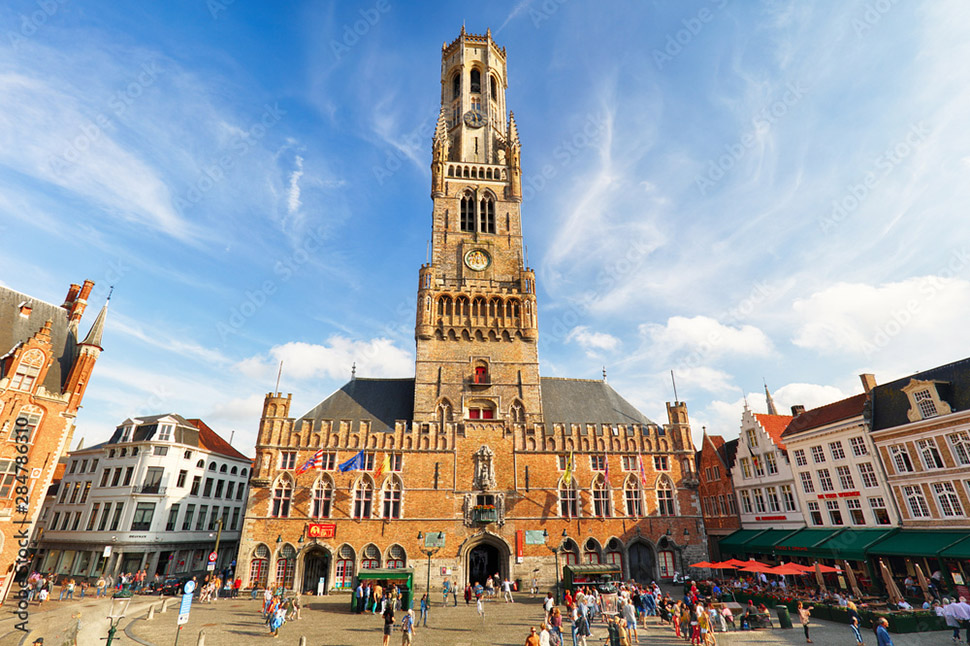
If I stay in Belgium for two or three days, I always try to include Bruges. The atmosphere here is completely different from Brussels. The canals, medieval buildings, Belfry, and narrow streets create an environment that is almost made for walking.
After arriving at Bruges railway station, I usually make my way toward Markt, visit the Belfry of Bruges, and then continue walking along the canals.
The biggest characteristic of Bruges is how easily you can walk much farther than expected. I may initially plan to visit one attraction, but then I see a beautiful bridge, an old building, or a quiet alley and decide to continue a little farther.
Because of this, I pay even more attention to the durability and comfort of my shoes when visiting Bruges. Before leaving, I usually check i-Run again for shoes suitable for longer city walks. Rather than choosing something particularly heavy, I prefer a lighter pair with a stable feel so that my feet do not feel weighed down after several hours.
When the weather is good, I rarely follow my route too strictly. If I see an interesting street, I simply walk into it. If I get tired, I find a café near the canal and take a break. This style of travel puts quite a few demands on your shoes because you never really know how many kilometers you will eventually walk.
Ghent: Letting My Shoes Carry Me Through the Historic Center
Ghent is another Belgian city I particularly enjoy. If I am traveling from Brussels by train, I usually set aside an entire day to explore it.
My route often starts around Saint Bavo’s Cathedral, followed by the Belfry of Ghent and St. Nicholas’ Church. From there, I continue toward Graslei and Korenlei and spend some time walking along the waterfront.
The main attractions in Ghent are relatively close to one another, so I rarely rely heavily on public transportation. Most of the time, I simply walk. Along the way, there are historic buildings everywhere, and I can stop whenever something catches my eye.
This is another reason I have gradually become more particular about travel shoes. In the past, I thought shoes only needed to look good. Now I pay much more attention to how they perform after several hours of walking. i-Run offers a wide range of sports shoes, so I can choose a pair based on the route and the amount of walking planned for the day.
Especially in the afternoon, if my shoes still feel comfortable, I am much more willing to continue exploring. On the other hand, if my feet are already uncomfortable, even the most beautiful route becomes difficult to enjoy.
The Evening Is When I Notice the Difference Most
I think the easiest way to judge whether a pair of travel shoes is actually suitable is to see how your feet feel when you are about to return to the hotel.
If I have been walking all day and still feel like taking a detour to find a restaurant or continuing to explore after dinner, I know my shoes have not become a burden. If I start looking for benches or cafés simply because my feet hurt, then either my shoes or my itinerary probably needs to be reconsidered.
That is why I usually check i-Run before traveling around Belgium. If I am mainly exploring the historic center of Brussels, I choose shoes designed for comfortable city walking. If I am planning a full day in Bruges, I pay more attention to cushioning, stability, and overall comfort. If the day only involves short walks and restaurant visits, I may choose a lighter everyday pair.
I also do not necessarily bring just one pair for an extended trip. Depending on the weather and itinerary, I may prepare different types of shoes, and i-Run is one of the platforms I check when comparing different options before traveling.